Older Allegheny County home architecture features structural conditions that actively shelter parasite pupae. Unfinished basements in Lawrenceville row homes, historic stone foundations in Squirrel Hill, and exposed…
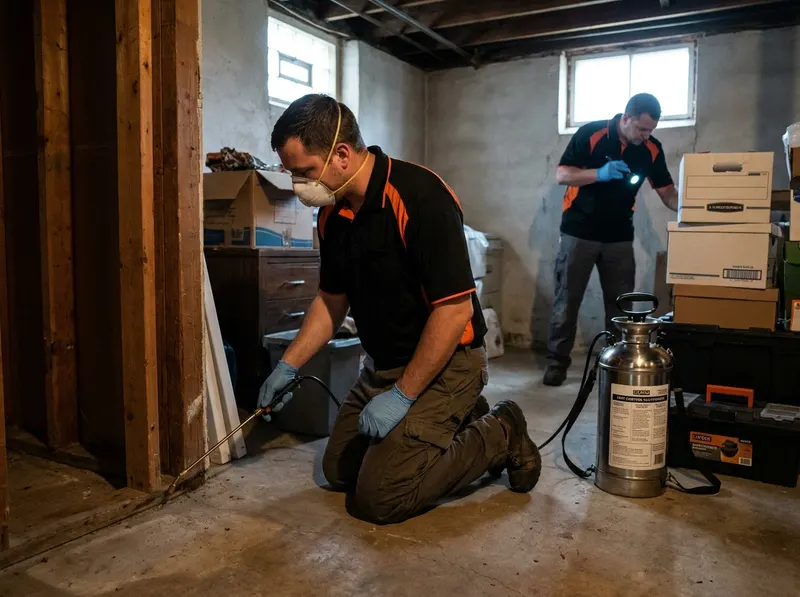
Older Allegheny County home architecture features structural conditions that actively shelter parasite pupae. Unfinished basements in Lawrenceville row homes, historic stone foundations in Squirrel Hill, and exposed sandstone walls in South Side Flats maintain relative humidity levels above 50% year-round. This damp microclimate, combined with subterranean ambient temperatures between 60°F and 72°F, creates an ideal incubation chamber for *Ctenocephalides felis* (cat flea) and *Ixodes scapularis* (blacklegged tick) transported indoors by domestic pets, mice, or urban wildlife navigating stone foundation gaps.
A targeted physical and environmental health protocol isolates the infestation without broad-spectrum chemical saturation across upper residential floors. Decisive intervention combines an insect growth regulator (pyriproxyfen) with an adult knockdown agent applied exclusively to structural perimeters, mortar joints, furnace utility perimeters, and sub-floor joists. While a light topical vacuuming extracts surface-level adults, juvenile larvae burrow up to 2 inches deep into dusty concrete joints and timber margins. Disrupting the biological molt cycle neutralizes emerging instars before they ascend into upper living spaces in Shadyside or Bloomfield homes.
Property layout guides the execution strategy. If a basement features raw fieldstone, open floor drains, and bare earth floor sections, common throughout Mount Washington and Brookline properties, technicians establish a sealed residual barrier directly against the exterior band joist and interior foundation perimeter. If the basement is partially finished with drywall framing or raised subfloors, technicians switch to wall-void micro-injection to neutralize harborages without saturating finished carpets or drywall. Occupants and family pets vacate the basement perimeter during application, returning once mechanical ventilation dries the treated masonry surfaces in 2 to 4 hours.
Every job gets a firm, written price after a free on-site visit.
Tell us about your basement flea and tick eradication job in Pittsburgh and we'll send a clear, written quote, usually the same day.
 Rendivo Exterminators